Anúncios
Ceramic classes are an inspiring path for anyone who wants to explore creativity, develop manual skills, and slow down in a more mindful way.
Working with clay allows people to reconnect with their senses while learning an artistic craft that combines technique, patience, and personal expression.
Here, you will find practical and easy to understand tips for starting this journey, understanding how lessons work, and discovering helpful apps that can support learning and organization.
Anúncios
Why learning ceramics can transform your routine
Taking ceramic classes is not only about producing objects but also about enjoying the process.
Clay responds directly to touch, making each session a unique experience. Many beginners look for this activity as a way to relax after work, reduce stress, and find a creative outlet.
Anúncios
Over time, students notice improvements in focus, coordination, and confidence as they see their skills evolve.
How beginner lessons usually work
Most ceramic classes for beginners start with basic explanations about clay types, preparation, and simple hand building methods.
Students learn how to knead clay properly, create basic forms, and understand drying times. These early steps are essential and help build a strong foundation before moving on to more complex techniques.
Common techniques taught in lessons
During ceramic classes, students are introduced to different techniques such as hand modeling, slab building, and wheel throwing. Each method offers distinct creative possibilities.
Hand modeling is often the first approach, as it allows beginners to understand the material without pressure. With practice, students gain confidence and explore more advanced forms.
Materials used in ceramic practice
When starting ceramic classes, most studios provide essential materials like clay, basic tools, and glazes. This allows beginners to focus on learning instead of investing immediately.
As skills develop, many students choose to buy personal tools to improve comfort and precision. Understanding how to store and care for materials is also part of the learning process.
The importance of the studio environment
A welcoming space makes ceramic classes more enjoyable and productive. A clean and organized studio encourages concentration and creativity.
Good instructors guide students patiently, offering technical corrections while respecting individual artistic styles. The combination of supportive teaching and a calm environment greatly enhances the learning experience.
Ceramics as a therapeutic activity
Many people seek ceramic classes for emotional balance and well being. The repetitive movements and focus required help calm the mind.
Shaping clay can feel meditative, promoting presence and reducing anxiety. This therapeutic aspect is one of the reasons ceramics has gained popularity among people looking for creative self care activities.
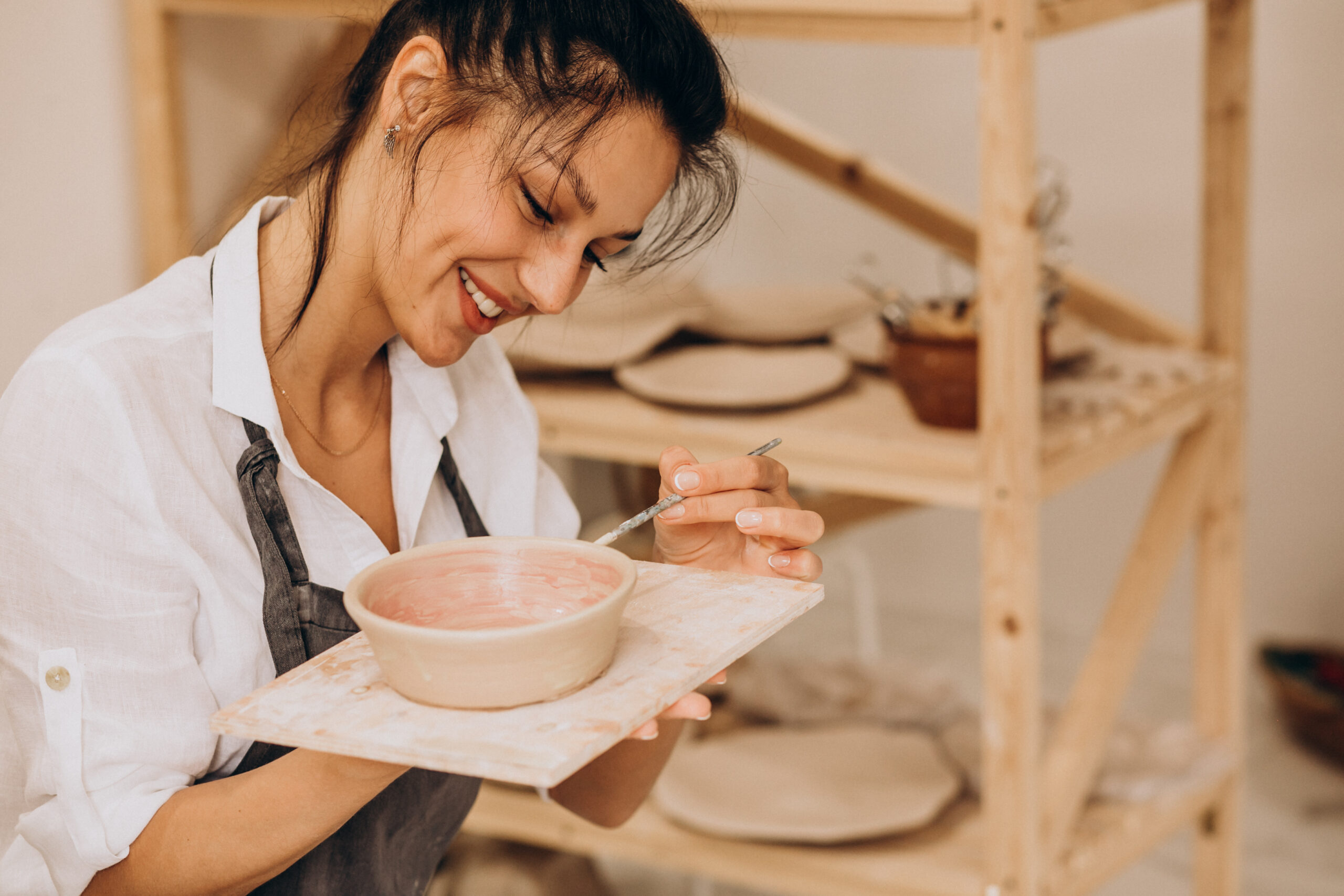
In person lessons versus online learning
Today, ceramic classes can be taken both in person and online. In person lessons offer direct feedback and hands on experience with professional equipment.
Online courses are ideal for those with limited time or access to studios. Many online programs focus on hand building techniques that can be practiced at home with minimal tools.
Apps that support technical learning
Several apps can complement ceramic classes by offering structured content and tutorials. Platforms like Skillshare and Domestika provide courses taught by experienced ceramic artists.
YouTube is also a valuable resource for step by step demonstrations. These tools help students review techniques and learn at their own pace.
Apps for inspiration and references
Inspiration plays a big role in ceramic classes. Apps such as Pinterest and Instagram are excellent for discovering styles, shapes, and glazing ideas.
By saving references and following ceramic artists, students expand their visual vocabulary and find motivation for new projects.
Organization and planning apps
Staying organized is essential when attending ceramic classes regularly. Apps like Notion and Evernote help students document processes, firing schedules, and glaze tests.
Digital notes and photos allow easy tracking of progress and reduce mistakes during production.
How to choose the right course
Before enrolling in ceramic classes, it is important to research the teaching style, studio structure, and class size. Reading reviews and visiting the studio can clarify expectations.
The best course is one that encourages experimentation, respects learning pace, and provides clear guidance.
Skill development over time
Consistency in ceramic classes leads to steady improvement. Beginners gradually understand how clay behaves and how to correct imperfections.
Each finished piece reflects growth, patience, and dedication. This gradual progress is one of the most rewarding aspects of learning ceramics.
Turning ceramics into income
Some people start ceramic classes as a hobby and later discover business opportunities. Handmade ceramic items are valued for their uniqueness and quality.
With practice and branding, it is possible to sell pieces online, at craft fairs, or through custom orders, combining creativity with entrepreneurship.
Practicing ceramics at home
To reinforce what is learned in ceramic classes, many students practice at home. Simple hand building projects require little space and few tools.
Home practice helps maintain consistency and builds confidence between lessons.
Common beginner mistakes to avoid
During ceramic classes, beginners often rush drying times or skip preparation steps. Learning to be patient is essential.
Accepting imperfections as part of the learning process helps reduce frustration and encourages experimentation.
Safety and care during practice
Safety is an important topic in ceramic classes. Using tools properly, keeping the workspace clean, and understanding kiln procedures are essential habits.
Instructors usually teach these practices early to ensure a safe and productive environment.
Managing costs and budgeting
Planning finances helps make ceramic classes more sustainable. Taking advantage of studio provided materials and sharing tools when possible reduces expenses.
Over time, investing gradually in personal tools is more practical than buying everything at once.
Final tips for beginners
To enjoy ceramic classes, approach learning with curiosity and patience. Use apps as supportive tools, practice regularly, and celebrate small achievements.
Ceramics is a journey where the process matters as much as the final piece.
A creative journey worth starting
Choosing ceramic classes means embracing creativity, mindfulness, and continuous learning.
With the right guidance, supportive tools, and consistent practice, ceramics becomes a fulfilling and enriching experience that extends far beyond the studio.