Pet affection signs are the ways animals express love, trust, and emotional connection with their human companions. Unlike people, pets do not use words to show affection. Instead, they rely on body language, behaviors, and daily interactions to communicate how they feel.
Anúncios
Understanding these signs helps strengthen the bond between pets and their owners and ensures a healthier, happier relationship.
Many pet owners experience moments of affection every day without fully realizing what their pets are trying to communicate.
Learning to recognize pet affection signs allows humans to respond appropriately, reinforcing trust and emotional security.
Understanding how pets communicate affection
Animals express emotions differently depending on their species, personality, and environment. One of the most important pet affection signs is consistent positive interaction. Pets use movements, sounds, and proximity to show attachment.
Affection is often linked to trust. When a pet feels safe, it naturally seeks connection. Recognizing these behaviors helps owners build stronger emotional bonds and avoid misunderstandings.
Physical closeness as a sign of affection
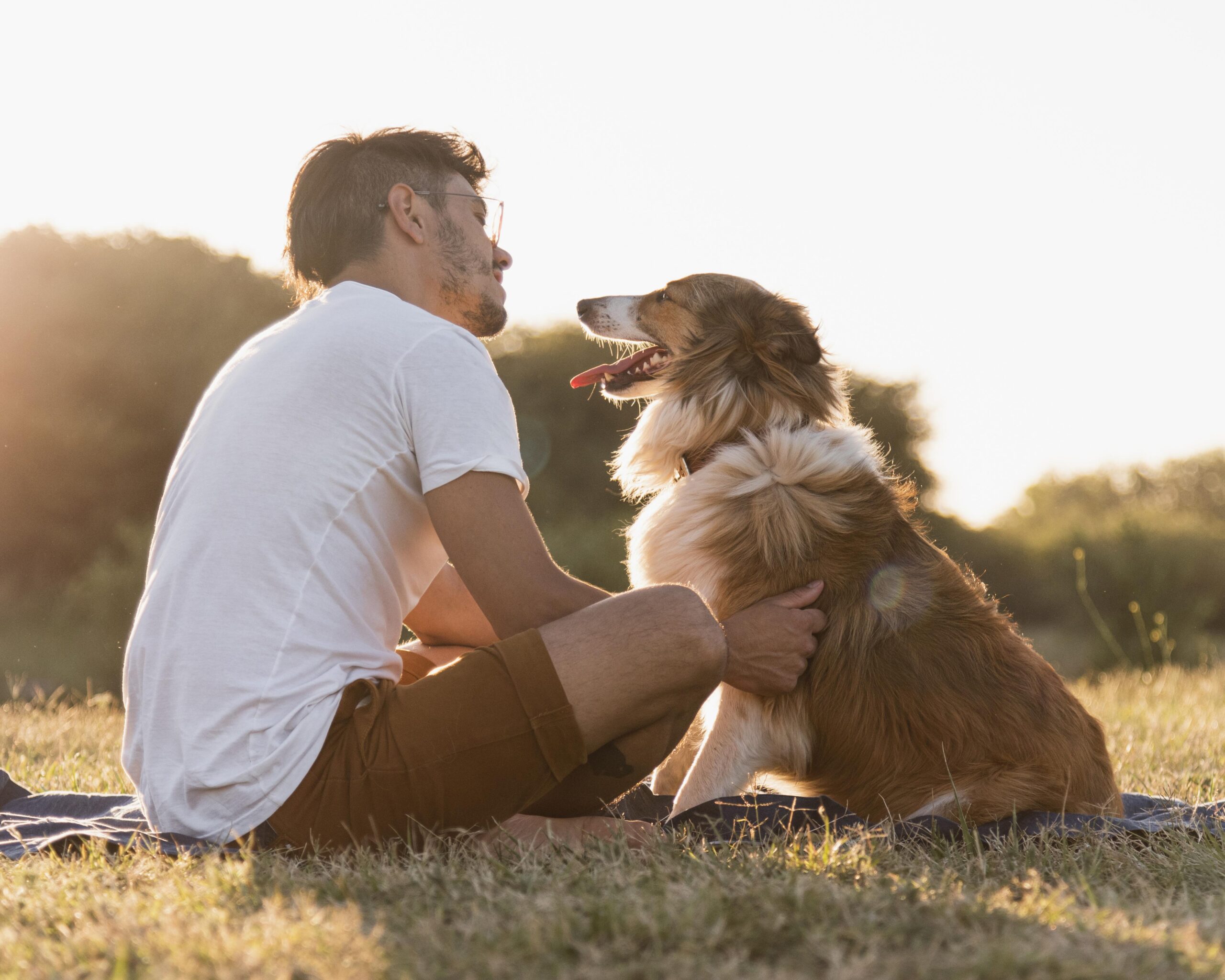
One of the clearest pet affection signs is physical closeness. Pets often choose to stay near their owners as a way of showing comfort and attachment.
Dogs may follow their owners around the house, while cats often sit nearby or sleep close. This behavior demonstrates trust and a desire for companionship.
Physical proximity is one of the most universal pet affection signs across different types of pets.
Eye contact and facial expressions
Eye contact is another important element among pet affection signs. In dogs, soft eye contact accompanied by relaxed facial muscles indicates affection and calmness. When a dog looks at its owner with gentle eyes, it is often a sign of emotional bonding.
Cats show affection through slow blinking. When a cat slowly blinks while looking at a person, it signals trust and comfort. This behavior is considered one of the most meaningful pet affection signs in feline communication.
Tail movements and body posture
Body language plays a key role in identifying pet affection signs. Dogs often wag their tails when they are happy and excited to see their owners. A relaxed, loose tail wag usually indicates positive emotions.
Cats use their tails differently. An upright tail with a slight curve at the tip is a strong sign of affection and confidence. Understanding tail movements helps interpret pet affection signs accurately.
Vocalizations that express affection
Sounds are also part of pet affection signs. Dogs may bark softly, whine gently, or make playful noises to get attention. These vocalizations are often meant to communicate excitement or affection.
Cats use purring as one of their primary pet affection signs. Purring usually indicates contentment and relaxation, especially when combined with kneading or cuddling behaviors.
Licking and grooming behaviors
Licking is a common behavior among pet affection signs, especially in dogs. When a dog licks its owner, it often mimics grooming behaviors learned during puppyhood. This action shows trust and emotional connection.
Cats also display affection through grooming. When a cat licks a person’s hand or hair, it is treating the human as part of its social group. Grooming is one of the strongest pet affection signs related to bonding.
Bringing toys or gifts
Some pets express affection by offering objects. This behavior is considered one of the more subtle pet affection signs. Dogs often bring toys as an invitation to play, which reflects trust and enjoyment.
Cats may bring small objects or toys to their owners. While this behavior can seem unusual, it represents affection and a desire to share. Recognizing this as one of the pet affection signs helps owners respond positively.
Following routines with enthusiasm
Pets thrive on routines, and enthusiasm during shared activities is one of the key pet affection signs. Excitement during walks, feeding times, or play sessions reflects emotional engagement.
When pets look forward to activities involving their owners, it demonstrates a strong emotional bond. These routine based pet affection signs reinforce trust and stability.
Sleeping near their owners
Choosing to sleep close is one of the most meaningful pet affection signs. Sleep is a vulnerable state for animals, so proximity during rest indicates deep trust.
Dogs may sleep at their owner’s feet or beside the bed, while cats may curl up next to their owners. These behaviors reflect comfort, attachment, and emotional security.
Protective behaviors and loyalty
Protective instincts can also be interpreted as pet affection signs. Dogs may position themselves between their owners and unfamiliar situations as a way of offering security.
This behavior stems from loyalty and attachment rather than aggression. Understanding protective actions as pet affection signs helps strengthen mutual respect.
Responding to emotions and moods
Pets are highly sensitive to human emotions. One of the most touching pet affection signs is when animals respond to their owner’s emotional state.
Dogs may stay close when their owner feels sad, while cats may become calmer and more attentive. This emotional awareness reflects deep bonding and empathy.
Playfulness as an expression of affection
Play is an important aspect of pet affection signs. Pets engage in play to bond, communicate, and release energy.
When a pet initiates play, it is expressing trust and comfort. Playful behavior strengthens emotional connections and supports mental well being.
Learning and obeying commands
Willingness to learn and follow commands is another of the pet affection signs. Pets that respond positively to training often do so because they trust and respect their owners.
This cooperation reflects emotional connection and a desire to please. Training sessions can become bonding experiences that reinforce pet affection signs.
Differences between species and personalities
It is important to remember that affection signs vary between species and individual personalities. Some pets are naturally more expressive, while others show affection in subtle ways.
Understanding individual traits prevents misinterpretation and helps owners appreciate unique expressions of affection.
Building stronger bonds through understanding
Recognizing pet signs allows owners to respond with appropriate care and attention. This mutual understanding strengthens emotional bonds and improves overall well being.
Responding positively to affection encourages pets to continue expressing trust and connection. Consistency and patience play a key role in reinforcing these behaviors.
Common misconceptions about pet affection
Not all affectionate behaviors are obvious. Some people overlook subtle pet affection signs because they expect pets to behave like humans.
Learning animal communication helps avoid misinterpretations and fosters a healthier relationship based on respect and empathy.
Emotional bonds between pets and humans
Pet affection signs are the foundation of emotional bonds between pets and humans. From physical closeness and eye contact to playful behaviors and emotional sensitivity, pets express love in many meaningful ways.
Understanding these signs helps owners create stronger, more compassionate relationships. By recognizing and respecting pet affection signs, humans can ensure their pets feel safe, loved, and emotionally fulfilled.